How to Relieve Constipation – Expert-Backed Home Remedies That Work
Constipation is a common problem that affects people of all ages. It can cause discomfort, bloating, and frustration. Fortunately, most cases can be relieved with simple changes to diet, hydration, and daily habits. This guide covers immediate relief techniques, the best foods and home remedies, when to consider laxatives, and how to help children who are constipated. It also explains when to seek medical attention.
Stools that are hard, dry, or difficult to pass are the hallmark of constipation. While occasional episodes are normal, persistent constipation may require a more structured approach. The NHS notes that increasing fibre, drinking plenty of fluids, and getting more exercise are the first steps to take.
How to Relieve Constipation Immediately
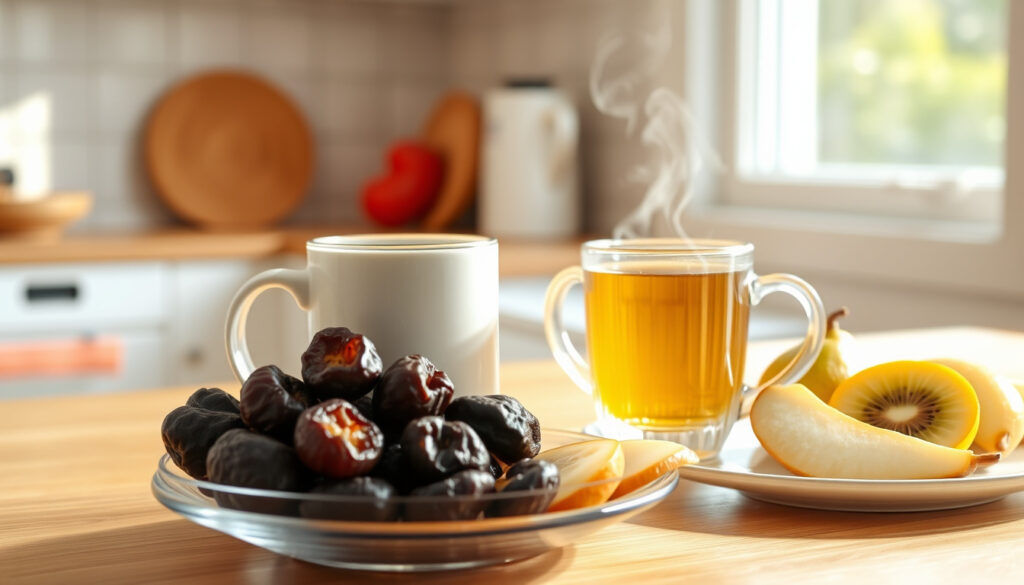
- Foods That Help – High-fibre foods, prunes, apples, pears, and plenty of water can relieve constipation naturally.
- Home Remedies – Try warm lemon water, olive oil, prune juice, or coffee to stimulate a bowel movement.
- Laxatives – Bulk-forming laxatives (e.g., psyllium) are safest for short-term use; always follow dosage.
- When to See a Doctor – Seek medical help if constipation lasts more than 3 weeks, you have severe pain, blood in stool, or unexplained weight loss.
Key Insights
- Most people can relieve constipation with immediate dietary and lifestyle changes.
- Prunes and prune juice are among the most evidence-backed natural laxatives.
- Proper toilet posture (knees elevated) can significantly ease bowel movements.
- Stimulant laxatives should only be used occasionally; bulk-forming laxatives are safer for regular use.
- Constipation in children often resolves with diet and behaviour changes, but persistent cases need paediatric consultation.
- Ignoring constipation danger signs can lead to complications like faecal impaction or bowel obstruction.
Quick Facts About Constipation
| Topic | Fact |
|---|---|
| Definition | Fewer than 3 bowel movements per week, or hard/difficult-to-pass stools. |
| Common causes | Low fibre, dehydration, lack of exercise, certain medications, ignoring the urge. |
| Fibre recommendation | 25–35 grams per day for adults. |
| Water intake | 1.5–2 litres (8 glasses) daily. |
| First‑line treatment | Increase fibre, fluids, and physical activity. |
| When to see a doctor | Constipation >3 weeks, severe pain, blood in stool, unintentional weight loss. |
What Foods Help Relieve Constipation?
Foods That Can Help Immediately
Certain foods contain natural laxative compounds or high amounts of fibre. Mayo Clinic specifically recommends prune juice for quick relief, and it can be mixed with apple juice if needed. Other fruits such as pears, apples with skin, berries, grapes, and apricots also provide sorbitol and fibre that soften stool.
For a faster effect, drink warm prune juice on an empty stomach. The combination of fluid, sorbitol, and warmth can stimulate a bowel movement within 30–60 minutes.
Foods to Limit
Dairy products – especially milk, cheese, yoghurt, and ice cream – may worsen constipation in many people, according to Paediatric Partners and Mayo Clinic. Low‑fibre processed foods such as packaged snacks, fast food, fried foods, and chips can also make the problem worse.
What Is the BRAT Diet?
The BRAT diet (bananas, rice, applesauce, toast) is sometimes mentioned for digestive issues. Johns Hopkins Medicine notes that it can help with both constipation and diarrhoea, but it is low in fibre and should only be used temporarily.
How Much Fibre Per Day?
Adults should aim for 25–35 grams of fibre daily. Increase intake gradually and drink plenty of water to avoid bloating. Good sources include oats, bran, beans, lentils, and vegetables.
Effective Home Remedies for Constipation
Prune Juice and Other Fruit Juices
Prune juice is the most consistently recommended home remedy. The HealthyChildren website (from the American Academy of Pediatrics) states it is safe for infants, toddlers, children, and adults and does not cause dependence. Some people also find relief with warm lemon water or a teaspoon of olive oil on an empty stomach.
Coffee and Caffeine
Coffee can stimulate the digestive system in some individuals. The Temple Health guide includes caffeinated drinks as a possible home remedy, though effects vary from person to person.
Not every remedy works for everyone. What triggers a bowel movement in one person may have no effect on another. It often helps to try a few different approaches to see what suits you best.
Abdominal Massage and Movement
Gentle abdominal massage and light physical activity can help stimulate bowel contractions. The Children’s Hospital of Philadelphia recommends regular walking and scheduled toilet time (5–10 minutes after meals) for children, and the same principles apply to adults.
Best Laxatives for Constipation and When to Use Them
Types of Laxatives
Bulk‑forming laxatives (such as psyllium) are generally considered the safest option for short‑term use. They work by increasing stool bulk and require adequate water to be effective. Osmotic laxatives, including polyethylene glycol (PEG 3350, often sold as MiraLax), are widely used because they do not cause dependence, as noted by HealthyChildren.
Stimulant Laxatives and Safety
Stimulant laxatives (senna, bisacodyl) can be used in children over 2 years old according to some guidance, but they are generally not intended for long‑term use. The NHS advises that stimulant laxatives should only be used occasionally, as frequent use may lead to dependency.
If you or your child has been constipated for more than a week, speak to a pharmacist or doctor before choosing a laxative. Incorrect self‑treatment can sometimes make the problem worse.
When a Doctor May Recommend a Cleanout
If stool is severely backed up, a doctor may recommend a cleanout using a higher dose of an osmotic laxative, followed by a maintenance dose. Mayo Clinic also notes that glycerin suppositories can be used in children who cannot swallow pills, and enemas may be used under medical guidance when a blockage is suspected.
How to Relieve Constipation in Kids and Babies
Home Measures for Children
For children, the most useful home measures are prune juice or other sorbitol‑containing fruits, more water, fibre‑rich foods, regular toilet sitting, and a paediatrician‑guided laxative if home care is not enough. The NHS also recommends encouraging physical activity and not delaying the urge to go.
Babies and Infants
For babies who have started solids, pureed prunes or pears can help. The HealthyChildren website states that polyethylene glycol (MiraLax) is safe even in infants when prescribed by a doctor. Always consult a paediatrician before giving any laxative to a baby.
When to Worry: Constipation Danger Signs
Most constipation resolves with home care, but certain symptoms require medical attention. Seek urgent evaluation if constipation is accompanied by abdominal distension, fever, diarrhoea, poor appetite, or weight loss, as noted by Healthline. Other red flags include constipation that starts before 1 month of age, persistent vomiting, blood in the stool, unexplained fatigue, or sudden changes in bowel habits. The NHS advises speaking to a GP if constipation lasts more than three weeks or if it keeps coming back.
How Does Constipation Progress Over Time?
- Day 1–2 – Mild constipation. Increase fluids, eat high‑fibre foods, go for a walk.
- Day 3–4 – Continue diet changes. Try home remedies (prune juice, coffee). Adjust toilet posture by keeping knees elevated.
- Day 5–7 – If no improvement, consider a bulk‑forming laxative (psyllium). Consult a pharmacist.
- Day 8–21 – Persistent constipation. Visit a GP for evaluation and possible prescription options.
- More than 21 days – Chronic constipation. A specialist referral may be needed, along with tests such as a colonoscopy or transit study.
What Is Known and What Is Uncertain About Constipation Relief?
| Established Information | Information That Remains Unclear |
|---|---|
| Fibre and fluids are the cornerstone of constipation relief. | The effectiveness of specific home remedies varies from person to person. |
| Prune juice and coffee can stimulate bowel movements quickly. | The long‑term safety of stimulant laxatives is debated; some experts advise against regular use. |
| Bulk‑forming laxatives are safe for short‑term use. | The optimal type of fibre (soluble vs. insoluble) may depend on the cause of constipation. |
| Ignoring the urge to defecate worsens constipation. | The role of probiotics in preventing constipation is not conclusively proven. |
What Causes Constipation and How Is It Defined?
Constipation is defined medically as fewer than three bowel movements per week or difficult passage of stools. It can be acute (short‑term) or chronic, with causes ranging from diet to medications to underlying medical conditions. Lifestyle modifications – increasing fibre, staying hydrated, and being active – are the first‑line treatment. Understanding the Bristol Stool Chart can help people self‑assess stool type and severity, providing a useful guide for when to seek help.
What Do Health Authorities Say About Constipation?
“Increase your daily intake of fibre, drink plenty of fluids, and try to get more exercise.” – NHS
“The BRAT diet — bananas, rice, applesauce and toast — can help with both constipation and diarrhoea.” – Johns Hopkins Medicine
“Lemon juice, olive oil, and prune juice are simple breakfast additions to stimulate the bowel.” – Bladder & Bowel Community
“Gently increasing physical activity can improve bowel function.” – NHS Inform Scotland
What Should You Do Next for Constipation Relief?
Start with immediate relief techniques such as adjusting your toilet posture and drinking prune juice. Add high‑fibre foods like apples, pears, oats, and beans to your daily diet. Stay hydrated and aim for 30 minutes of walking each day. If symptoms persist, speak to a pharmacist or doctor for further evaluation. Early action can prevent complications and help restore regular bowel function. For more on related health topics, you may also wish to read about Bowel Cancer Survival Rate and Lion’s Mane Mushroom Benefits.
Frequently Asked Questions
How much fibre per day for constipation?
Adults should aim for 25–35 grams of fibre daily. Increase gradually and drink plenty of water.
Can exercise help constipation?
Yes. Regular physical activity, even brisk walking, helps stimulate intestinal contractions.
Are stimulant laxatives safe?
They can be used occasionally, but frequent use may lead to dependency and should be avoided.
What is the BRAT diet?
Bananas, rice, applesauce, and toast. It is often used for diarrhoea but can also be used temporarily for constipation; however, it lacks fibre.
Can olive oil relieve constipation?
Some people find that a teaspoon of olive oil on an empty stomach helps lubricate the bowels.
What makes you poop instantly?
Warm prune juice or coffee on an empty stomach can trigger a bowel movement within 30–60 minutes for some people.
How to empty your bowels every morning?
Establish a regular toilet routine after breakfast, stay hydrated, and use a footstool to raise your knees above hip level.
Can dairy cause constipation?
Yes, dairy products such as milk, cheese, and yoghurt may worsen constipation in many people.
When is constipation an emergency?
Seek urgent care if you have severe abdominal pain, vomiting, bloating, blood in stool, or inability to pass gas.
What foods should I avoid when constipated?
Limit low‑fibre processed foods, fast food, chips, and dairy products if they seem to aggravate your symptoms.
More related posts
 Toby Jones – Biography, Height, Wife, Net Worth and Movies
 Dan Neal – Biography, Big Brother UK, and Where He Is Now
 Sunderland vs West Ham – Full Match Analysis And Key Stats
 Aled Jones – Biography, Songs, Wife and 2025 Tour
 Charli Xcx – Biography, Songs and 2025 Tour Updates
 Cycle to Work Scheme Calculator 2025 – Complete Savings Guide
 Paul Walker – Death, Daughter, and Fast & Furious Legacy