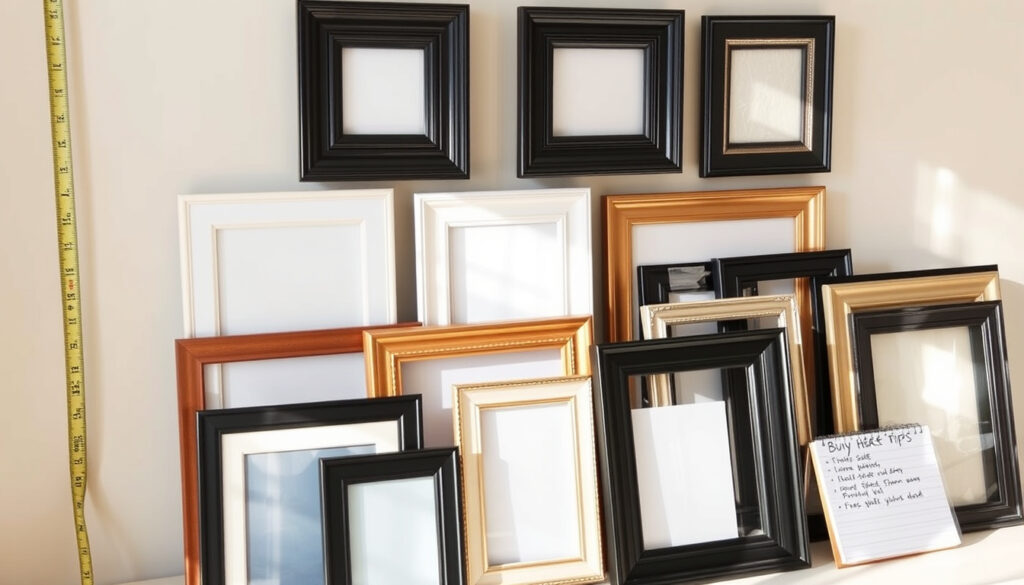
Picture Frames – 2025 UK Size Guide and Buying Tips
Choosing the right picture frame in the UK can feel overwhelming with so many sizes, materials, and price points to consider. This guide covers standard dimensions, how to measure artwork, where to buy frames online or in-store, and what to expect from custom framing services in 2025.
Whether you are framing a family photograph, a certificate, or a large art print, understanding the basics of frame sizing and materials helps you make a confident purchase. UK retailers and specialist framers offer everything from budget-friendly ready-made options to bespoke pieces tailored to your exact specifications.
This article is based on current UK framing guides and retailer listings, and aims to answer the most common questions buyers have when shopping for picture frames in Britain today.
What Are the Most Common Picture Frame Sizes?
UK retailers and framing guides consistently list a core set of standard sizes that cover most everyday framing needs. The most frequently used sizes are 6×4 inches and 7×5 inches for standard photos, with 8×10 inches, A4, and A3 also widely available for portraits, certificates, posters, and artwork.
| Frame Type | Typical Use | Price Range (UK) | Best For |
|---|---|---|---|
| Standard Photo Frames | 6×4, 7×5, 8×6 inch snapshots | £5–£20 | Everyday photos, desk displays, gifts |
| Bespoke Wooden Frames | Custom sizes for art or memorabilia | £25–£60+ | Valuable or irregularly sized pieces |
| Metal / Gold Frames | Contemporary decor, gallery walls | £10–£40 | Modern interiors, metallic accents |
| Large Format (50×70 cm+) | Posters, statement wall art | £15–£80+ | Oversized prints, bold focal points |
Key Insights for UK Frame Buyers
- Bespoke framing costs more upfront but ensures a perfect fit and long-term protection for your artwork.
- UK buyers are increasingly turning to online custom framing services for convenience and a wider choice of finishes.
- Standard A4 and 30×40 cm sizes are the most cost-effective options when buying ready-made frames.
- Gold frames follow cyclical trends; metallic finishes remain popular in contemporary interior design.
- Many retailers now display both imperial and metric sizes because UK shoppers use both systems.
- Custom framing is recommended for valuable, fragile, or unusually shaped items that do not fit standard sizes.
- The frame size listed on a product page may refer to the outer frame, the image area, or the mount opening, so it is important to confirm which measurement is being used.
Common UK Frame Sizes at a Glance
| Size (inches) | Size (cm) | Common Use |
|---|---|---|
| 6×4 | 15×10 | Standard snapshot |
| 7×5 | 18×13 | Desk frames, gifts |
| 8×6 | 20×15 | Prints, portraits |
| 8×10 | 20×25 | Portraits, small artwork |
| 10×8 | 25×20 | Certificates, medium photos |
| A4 | 21×29.7 | Documents, certificates, art prints |
| A3 | 29.7×42 | Posters, larger prints |
| 12×16 | 30×40 | Medium wall frames |
| 16×20 | 40×50 | Gallery-style frames |
| 20×24 | 50×60 | Larger prints |
| 20×30 | 50×76 | Posters, statement pieces |
| 24×36 | 61×91 | Large posters, wall art |
How to Measure Your Picture for a Frame
A key point from framing guides is that the frame size and the image size are not always the same. Many frames use a mount or mat, or have an overlap around the edge of the artwork, so the internal opening of the frame may be smaller than the outer dimensions.
Direct Fit vs. Mounted Fit
If you want a direct fit, match the artwork size to the frame’s internal opening or the listed print size. If you prefer a mount, choose a larger frame so the aperture exposes only the desired part of the image. Always measure the item you want to frame before purchasing, especially for certificates, canvases, and irregular prints.
Understanding Listed Measurements
Some UK size guides explicitly note that frame sizes can refer to the outer frame, the image area, or the window mount opening. A 12×10 inch frame may be designed to show an A4 print with a border, while a 10×8 inch frame might be intended to display a 7×5 inch photo with a mount. Product pages may list the same frame by multiple compatible print sizes, so it is worth checking the details carefully.
Always measure the width and height of your artwork in both inches and centimetres before ordering. Write down the measurements and compare them against the frame’s internal opening size, not the outer dimensions. This is especially important for certificates, canvases, and prints with irregular edges.
Where to Buy Picture Frames in the UK: Online vs. In-Store
UK buyers have access to a range of options, from high-street retailers and discount homeware stores to specialist online custom framers. The right choice depends on your budget, the size and value of your artwork, and how quickly you need the frame.
Online Retailers and Custom Framing Services
Online custom framing services have grown significantly in popularity. They allow you to select the exact size, material, colour, and mount style from your computer. Many UK-based services, such as those offered by Frames.co.uk and Pictureframesdirect.co.uk, provide made-to-measure options for non-standard sizes. Delivery times typically range from a few days to two weeks depending on the complexity of the order.
High-Street Retailers and Budget Options
For standard sizes, high-street retailers such as Primark, IKEA, and Hobbycraft offer affordable frames that are ready to use. These are ideal for everyday photos, A4 documents, and common print sizes. However, the selection of materials and colours is more limited, and the frame quality may not suit valuable or archival pieces.
Cost of Custom Framing in the UK
Prices for custom framing vary depending on the size, material, and glazing type. For a standard-sized piece, expect to pay between £25 and £60. Large bespoke frames, especially those requiring conservation-grade materials, can cost £60 or more. It is always worth requesting a quote from several providers before committing.
The cost of custom framing in the UK is influenced by the choice of moulding, the type of glass or acrylic, and whether a mount is included. UV-protective glass and acrylic glazing typically add to the price but offer significant benefits for preserving artwork over time.
Choosing the Best Material: Wooden, Gold, or Metal Frames
The material of a picture frame affects its appearance, durability, weight, and cost. UK framing retailers commonly sell frames in wood, metal, and plastic or resin-style finishes. The right choice depends on the decor of the room, the size of the artwork, and the level of protection required.
Wooden Frames
Wooden frames are a traditional choice and come in a wide range of finishes, from natural oak and walnut to painted and distressed styles. There is no single wood that is universally considered the best, as the choice depends on the desired look and budget. Hardwoods such as oak and ash are durable and suitable for larger pieces, while softer woods like pine are more affordable and lighter.
Gold and Metallic Frames
Gold frames have been used for centuries in fine art presentation, and their popularity in domestic interiors fluctuates with design trends. Metallic finishes, including gold, silver, and bronze, remain a common choice for contemporary gallery walls and formal portraits. They are available in both real metal and painted or plated finishes, with the latter offering a more budget-friendly option.
Metal Frames
Metal frames, typically made from aluminium or steel, offer a slim profile and a modern look. They are lightweight, durable, and available in a variety of colours and finishes. Metal is a good choice for large frames because the material is strong without adding excessive weight.
Glass vs. Acrylic Glazing
The choice between glass and acrylic affects the frame’s weight, safety, and optical clarity. Acrylic is lighter and shatter-resistant, making it a safer option for large frames or for shipping. However, it scratches more easily than glass. Standard glass offers better clarity and is cheaper, but it is heavier and can break if dropped. UV-protective glass reduces fading by up to 90 per cent and is recommended for valuable or sunlight-exposed artwork.
For large frames over 50×70 cm, acrylic is often the safer choice because of its lower weight and shatter resistance. For standard-sized frames that will be displayed in a stable location, glass offers excellent clarity at a lower cost. If the artwork is valuable or sensitive to light, UV-protective glazing is worth the additional investment.
How Has Picture Framing Evolved Over Time?
The practice of framing pictures has changed significantly over the past two centuries, moving from handcrafted ornate designs to mass-produced options and, more recently, to online custom services that offer a high degree of personalisation.
- 1800s: Ornate gilded frames were the hallmark of fine art presentation, handcrafted with intricate detailing and gold leaf.
- 1950s: Mass production of photo frames made framing affordable and accessible to households for everyday photographs.
- 2000s: The rise of online custom framing allowed customers to order made-to-measure frames without visiting a physical shop.
- 2024: AI-powered framing recommendations began appearing on some e-commerce platforms, helping buyers choose styles and sizes based on their artwork and room decor.
What Do We Know and What Remains Unclear About Picture Frames?
Several aspects of picture framing are well established, while others depend on personal preference, budget, and the specific requirements of the artwork.
| Established Information | Information That Remains Unclear |
|---|---|
| Acrylic is lighter and safer than glass for large frames, and is shatter-resistant. | Which wood is universally the best for picture frames depends on the decor, budget, and the weight of the artwork. There is no single superior material. |
| UV-protective glass reduces fading by up to 90 per cent compared to standard glass. | The long-term cost difference between economy and bespoke framing is not always clear, as cheaper frames may need replacement sooner. |
| Standard sizes such as A4, A3, 6×4, and 8×10 inches are widely available and cost-effective. | The exact definition of “picture frame” versus “photo frame” is not standardised across the industry, and the terms are often used interchangeably. |
What Is the Context for Buying Picture Frames in the UK?
The UK picture frame market is shaped by a mix of high-street retailers, independent framing shops, and online custom services. High-street stores offer convenience and immediate availability for standard sizes, while online custom framers provide a wider selection of materials, colours, and mount options. Specialist framing services are recommended for valuable, oversized, or irregularly shaped pieces because they use conservation-quality materials and techniques that extend the life of the artwork.
Material choice directly affects both price and longevity. Wooden frames offer a classic look but can be heavier and more expensive than metal or plastic alternatives. Metal frames are lightweight and modern, while plastic or resin frames are often the most affordable but may not last as long. The choice of glazing also matters: standard glass is fine for most home displays, but UV-protective glass or acrylic is better for preserving artwork in bright rooms.
Custom framing is recommended for items that are valuable, fragile, or have non-standard dimensions. It allows for precise measurements, archival-quality materials, and a finish that complements the artwork and the room. For most everyday photos and documents, ready-made frames in standard sizes are a practical and cost-effective solution.
What Do Industry Experts Say?
The Fine Art Trade Guild, a UK-based authority on picture framing, emphasises the importance of correct framing for preserving artwork. According to the Guild, proper framing techniques and materials can significantly extend the life of a piece.
“Correct framing can extend the life of artwork by decades.”
The Fine Art Trade Guild
The Fine Art Trade Guild provides guidelines for conservation framing, including the use of acid-free mounts, UV-protective glazing, and appropriate backing boards. These standards are widely followed by professional framers in the UK.
What Are the Key Takeaways for Finding the Right Picture Frame?
Choosing the right picture frame comes down to measuring your artwork accurately, deciding whether you need a standard or custom size, selecting a material that suits your decor and budget, and confirming the type of glazing that best protects your piece. Standard sizes such as A4, A3, 6×4, and 8×10 inches are the most affordable and widely available, while custom framing is the best option for valuable or irregularly shaped items.
Frequently Asked Questions
What is the difference between a picture frame and a photo frame?
In practice, the terms are used interchangeably, but “picture frame” often implies a wider style suitable for art, whereas “photo frame” is a common term for standard photo sizes.
Which is better for a picture frame, glass or acrylic?
Acrylic is lighter, shatter-resistant, and better for large frames, but it scratches easily. Glass is heavier but offers better clarity and is cheaper. Use acrylic for shipping or large artwork, and glass for standard displays.
How do I know what size frame to buy?
Measure the width and height of your artwork. Then check whether the frame listing refers to the image size, the mount opening, or the outer frame size. Match your measurement to the appropriate specification.
Can I get custom made picture frames online?
Yes, many UK-based services offer made-to-measure frames online. You can select the size, material, colour, and mount style, and the frame is built to your specifications and delivered.
How much does it cost to get a picture professionally framed in the UK?
For a standard-sized piece, expect to pay between £25 and £60. Large bespoke frames with conservation-grade materials can cost £60 or more. It is advisable to request quotes from several providers.
Are gold picture frames still in style?
Gold frames are cyclical in popularity. Metallic finishes, including gold, remain a common choice for contemporary gallery walls and formal portraits, but their prevalence shifts with interior design trends.
What is the best wood for picture frames?
There is no single best wood. Hardwoods such as oak and ash are durable and suitable for larger pieces, while softer woods like pine are more affordable and lighter. The choice depends on your decor and budget.
What are the different types of picture frame mouldings?
Common moulding profiles include flat, scoop, cushion, and reverse. Each creates a different visual effect. Flat and scoop mouldings are popular for modern frames, while cushion and reverse profiles are more traditional.
Do I need a mount for my picture frame?
A mount creates a border between the artwork and the frame, which can enhance the visual presentation and prevent the artwork from touching the glass. It is optional but recommended for valuable or delicate pieces.
What is a standard A4 picture frame size?
A standard A4 frame is designed to hold an A4 print (21×29.7 cm). The outer dimensions of the frame will be larger, depending on the width of the moulding and whether a mount is included.
More related posts
 Tottenham vs A.F.C. Bournemouth Standings – Table & Key Stats
 Millie Court – Age, Love Island Win and Relationship Timeline
 Ray Winstone – Biography, Movies, Net Worth and Wife 2025
 Addison Rae – Age, Net Worth, Movies, Songs and Tour 2026
 DWP Home Ownership Pensioners – Pension Credit Rules Explained
 Ricky Gervais Net Worth – 2024 Estimate and Key Sources
 Ross Duffer – Biography, Net Worth, Wife and Stranger Things Career
 Lauren Bacall – Her Life, Films, Death, and Enduring Legacy