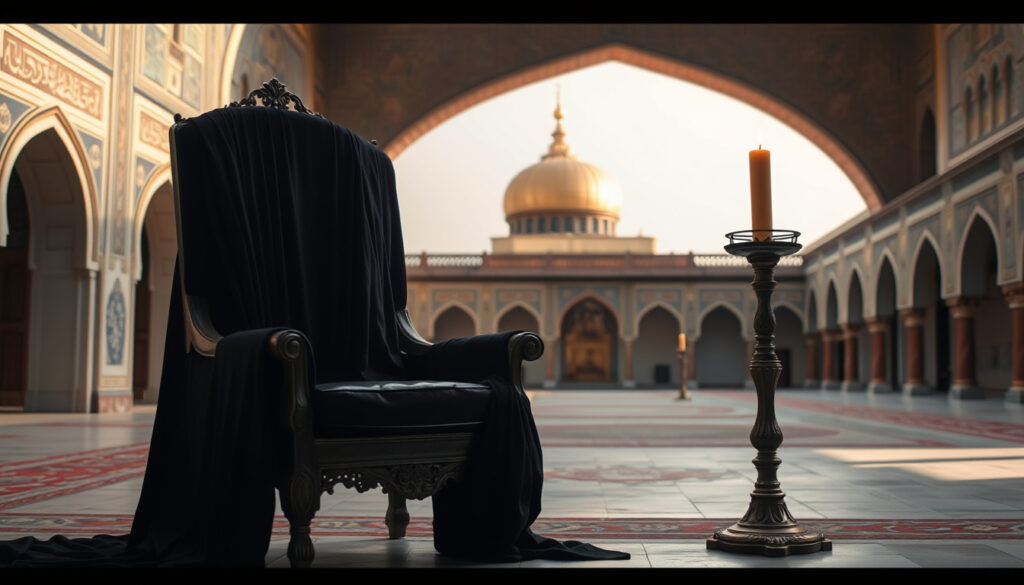
Iran Supreme Leader – Mojtaba Khamenei Named Successor After Ali Khamenei Death
Iran Supreme Leader Death & Succession: Mojtaba Khamenei Named New Leader
On March 9, 2026, Iran’s Assembly of Experts elected Mojtaba Khamenei as the country’s new supreme leader, replacing his father, Ayatollah Ali Khamenei, who was assassinated in a joint US-Israeli airstrike on February 28, 2026. The succession ended weeks of uncertainty and marked a historic dynastic transfer of power within the Islamic Republic.
Ali Khamenei’s death was confirmed early on March 1 by Iran’s Supreme National Security Council and state media. An Interim Leadership Council, composed of senior officials including President Masoud Pezeshkian and Judiciary Chief Gholam-Hossein Mohseni-Ejei, temporarily assumed the supreme leader’s duties under Article 111 of the constitution. The Assembly of Experts, a body of 88 clerics, was then tasked with selecting a permanent successor “as soon as possible.”
Mojtaba Khamenei secured 59 of 88 votes in the assembly, surpassing the required two-thirds majority. His election was announced on March 9, and state media called on all Iranians to swear allegiance to the new leader. The transition has drawn international attention and raised questions about Iran’s future domestic and foreign policy direction.
Has Iran’s Supreme Leader Ali Khamenei Been Killed or Died?
Previous Supreme Leader. Assassinated at age 86 on February 28, 2026, during US-Israeli strikes.
New Supreme Leader. Son of Ali Khamenei, chosen as successor on March 9, 2026.
The succession took place in early March 2026 following the assassination.
Supreme Leader holds ultimate authority; the President is head of government but subordinate.
Key Insights
- The transition of power triggered a major news event, with the new leader being the son of the former – Mojtaba Khamenei. (Source: BBC News, Mar 8 2026)
- The death of Ali Khamenei ends a decades-long era in Iranian leadership, reported at age 86. (Source: multiple news outlets)
- Mojtaba Khamenei’s ascension represents a dynastic succession within the Islamic Republic’s leadership. (Source: BBC, Wikipedia)
- Official government accounts, such as Khamenei.ir, have begun communicating on behalf of the new leader. (Source: X / Khamenei.ir)
- Mojtaba Khamenei was sanctioned by the US in 2019, reflecting longstanding tensions. (Source: CNN)
- The succession has been viewed by some as “un-Islamic” and could spark anger among Iranians. (Source: Politico, LA Times)
- The IRGC and its Basij paramilitary force played a key role in securing his election. (Source: Wikipedia, CNN)
Snapshot Facts
| Attribute | Value |
|---|---|
| Previous Supreme Leader | Ayatollah Ali Khamenei |
| Previous Leader Age at Death | 86 |
| Date of Assassination | February 28, 2026 |
| New Supreme Leader | Mojtaba Khamenei |
| New Leader Age | 56 |
| Succession Date | March 9, 2026 |
| Trigger Event | Joint US-Israeli airstrike (reported cause) |
| Assembly Vote | 59 out of 88 votes (two-thirds majority) |
| Interim Council Established | March 1, 2026 (Article 111) |
| Role of President | Head of government, subordinate to Supreme Leader |
For further context on leadership changes elsewhere, see Ha The Pope Died – Pope Francis Dies at 88 on Easter Monday.
Who Is the New Supreme Leader of Iran?
Mojtaba Khamenei, a 56-year-old Shiite cleric, has never held formal government office but has long been a powerful figure behind the scenes. He managed his father’s considerable wealth and cultivated strong ties with the Islamic Revolutionary Guard Corps (IRGC) and its Basij paramilitary force. His election was driven by maneuvering between political factions and IRGC generals, who secured the upper hand in the initial voting round to ensure his selection.
Background and Influence
Born in 1969, Mojtaba Khamenei studied in Qom and was groomed for leadership within the regime. He oversaw his father’s financial empire and acted as a liaison between the supreme leader’s office and the security apparatus. The New York Times reported that his rise was “driven by maneuvering between political factions and generals from the Guards Corps.”
Controversy
Many observers described his succession as “dynastic” and potentially “un-Islamic,” a view that could fuel dissent both inside Iran and among regime loyalists. He was placed under US sanctions in 2019. Critics argue that bypassing other clerics undermines the principle of merit-based selection within the Islamic Republic.
Mojtaba Khamenei was sanctioned by the US Treasury in 2019 for his role in “repression and corruption” on behalf of the Iranian regime, according to CNN.
Politico and the LA Times reported that the election of a son to succeed his father has been labeled “dynastic” and could erode the legitimacy of the position among Iranians and even within the system.
What Is the Full Name of Iran’s Supreme Leader?
The full name of the previous supreme leader is Ayatollah Seyyed Ali Hosseini Khamenei. He was born on April 19, 1939, and held the title “Supreme Leader of Iran” from 1989 until his assassination in 2026. The current supreme leader is Seyyed Mojtaba Hosseini Khamenei, commonly referred to as Mojtaba Khamenei. Both are Shiite clerics and members of the clerical establishment that has governed Iran since the 1979 revolution.
Why Does the Full Name Matter?
The full name distinguishes the leader from other family members and underlines the religious and noble lineage (Seyyed indicates descent from the Prophet Muhammad). Official communications from the office of the new leader, such as the Khamenei.ir X account, have referred to him as “Imam Sayyid Mojtaba Khamenei.”
Who Is Ayatollah Ali Khamenei’s Wife?
The wife of Ayatollah Ali Khamenei was Khojasteh Khamenei (née Khojasteh). Very few personal details about her have been made public by Iranian state media. She married Ali Khamenei in 1964 and is the mother of six children, including Mojtaba Khamenei. She largely stayed out of the public eye and was not known to hold any political role. Her death date has not been officially reported, but some sources indicate she passed away in 2025, before her husband’s assassination. Due to the lack of independent confirmation, this remains uncertain.
Biographical details about Khojasteh Khamenei are scarce. Iranian state media have not published a formal obituary or biography, reflecting the regime’s general opacity regarding the families of top leaders.
What Is the Difference Between the Supreme Leader and the President of Iran?
Iran’s political system combines theocratic and republican elements. The Supreme Leader (Vali-ye Faqih) holds ultimate authority over all branches of government, the military, the judiciary, and key cultural institutions. The President is the head of government, responsible for day-to-day administration and implementing policy, but remains subordinate to the Supreme Leader.
Powers of the Supreme Leader
- Commander-in-Chief of the armed forces, including the IRGC.
- Appoints the head of the judiciary, the chief of police, and half of the Guardian Council.
- Has the power to dismiss the President after a vote by the Supreme Court or a ruling by the Islamic Consultative Assembly.
- Oversees foreign policy and national security.
Powers of the President
- Elected by popular vote for a four-year term.
- Heads the cabinet and coordinates economic policy.
- Proposes laws to the parliament and signs international treaties, subject to approval by the Supreme Leader.
- Can be impeached by parliament.
In practice, the Supreme Leader sets the broad direction, while the President handles administration. During the transition, President Masoud Pezeshkian served on the Interim Leadership Council, illustrating how the presidency operates within the supreme leader’s framework.
For a broader perspective on different political systems, see What Is a Network – Types Security and Topology Explained.
When Did the Transition of Power Happen?
The following timeline summarizes key events in the leadership change:
- Pre-2026: Ali Khamenei serves as Supreme Leader since 1989. Mojtaba Khamenei remains an influential but unelected cleric.
- February 28, 2026: Ali Khamenei is assassinated during joint US-Israeli airstrikes on the first day of the 2026 Iran war. (Source: Wikipedia, Al Jazeera)
- March 1, 2026: Iran’s Supreme National Security Council confirms the death; an Interim Leadership Council is formed per Article 111 of the constitution. (Source: CNN)
- March 8-9, 2026: The Assembly of Experts votes; Mojtaba Khamenei receives 59 of 88 votes. He is officially announced as the new supreme leader on March 9. (Source: New York Times)
- March 2026 (ongoing): State media and official accounts (Khamenei.ir) refer to Mojtaba Khamenei as the new Leader of the Islamic Revolution.
- Future: Potential shifts in Iran’s domestic and foreign policy under the new supreme leader remain to be seen.
What Is the Official Confirmation of the New Leader?
The election was confirmed by multiple credible sources, but some details remain subject to verification. The table below separates established information from aspects that are still unclear.
| Established Information | Information That Remains Unclear |
|---|---|
| Mojtaba Khamenei is the new Supreme Leader, confirmed by BBC, Wikipedia, and official state accounts. | The exact cause and location of Ali Khamenei’s death, though attributed to US-Israeli strikes, have not been independently verified by third-party sources. |
| Ali Khamenei is deceased; his death was confirmed by Iran’s Supreme National Security Council on March 1, 2026. | Full implications for Iran’s political system, including potential power struggles or policy shifts, are not yet clear. |
| Assembly of Experts voted 59–88 in favor of Mojtaba Khamenei on March 9, 2026. | The identities of the three clerics reportedly identified by Ali Khamenei as prospective successors before his death remain undisclosed. |
What Happens Next for Iran Under a New Supreme Leader?
The transition comes at a moment of maximum pressure for Iran, with the 2026 war ongoing and economic sanctions in place. Mojtaba Khamenei’s deep ties to the IRGC suggest a continuation of hardline policies, particularly regarding Iran’s nuclear program and regional influence. However, his lack of formal government experience may empower factions within the security establishment to shape policy. The international community, including the US, EU, Russia, and China, is closely monitoring the new leader’s first official statements for signs of continuity or change. Domestic stability is uncertain, as the dynastic succession has already drawn criticism both inside and outside Iran.
What Are the Key Sources and Official Statements?
“Mojtaba Khamenei, the son of Iran’s Ayatollah Ali Khamenei, who was killed in US-Israeli strikes, has been chosen as his successor.”
— BBC News, March 8, 2026
“The message of Imam Sayyid Mojtaba Khamenei, the Leader of the Islamic Revolution, addressed to the Iranian nation regarding the MOU…”
— Khamenei.ir on X (official account)
“Ali Kam was a wise and pious supreme leader who led Iran for decades. To critics at home and in exile he was a dictator who used brutal force.”
— YouTube video, “Ali Khamenei Dead at 86”
These sources reflect the range of perspectives, from official state media to independent international journalism. The full list of references used in this article is available in the citations.
What Is the Bottom Line on Iran’s Leadership Change?
The death of Ayatollah Ali Khamenei and the swift election of his son Mojtaba Khamenei as supreme leader represents one of the most consequential political transitions in the Middle East this decade. Mojtaba Khamenei, a 56-year-old cleric with strong IRGC backing, now holds the ultimate authority in Iran. While the succession was constitutionally formalized, its dynastic nature and the uncertain circumstances of the previous leader’s death leave many questions unanswered about Iran’s trajectory.
Frequently Asked Questions
What is the official confirmation of the new leader?
The BBC reported the selection on March 8, 2026, and the official Khamenei.ir X account has begun referring to Mojtaba Khamenei as the new Leader.
When did the transition of power happen?
The transition occurred in early March 2026, following the reported death of Ali Khamenei in US-Israeli strikes on February 28, 2026.
What happens next for Iran under a new Supreme Leader?
The full domestic and geopolitical impact is still unfolding. Potential shifts in nuclear policy, regional influence, and internal politics are expected.
How old was Ali Khamenei?
Ali Khamenei was reported to be 86 years old at the time of his death.
Who is the wife of the previous supreme leader?
Khojasteh Khamenei, with very few public details. She passed away reportedly in 2025, though this is not independently confirmed.
What is the full name of Iran’s current Supreme Leader?
Seyyed Mojtaba Hosseini Khamenei, commonly known as Mojtaba Khamenei.
Did the Assembly of Experts vote unanimously?
No, Mojtaba Khamenei received 59 out of 88 votes, which was the required two-thirds majority. Some reports suggest “roughly 50 or more” votes.
Why is the succession called dynastic?
Because the son succeeded his father, a first in the Islamic Republic’s history. Critics say it resembles a monarchy rather than a clerical meritocracy.
Was Mojtaba Khamenei sanctioned?
Yes, he was sanctioned by the US Treasury in 2019 for his role in repression and corruption.
What is the difference between Supreme Leader and President?
The Supreme Leader is the head of state with ultimate authority over military, judiciary, and foreign policy. The President is the head of government, elected for a four-year term, and subordinate to the Supreme Leader.
More related posts
 Fibrous Papule of the Nose – Causes Removal and Safety Guide
 Poolbeg Pharma Share Price – Live POLB News and Forecast
 Emily Thornberry – Biography, Family, and Political Career
 Danniella Westbrook – Current Health, Surgery and Career Updates
 Amy Dowden – Cancer Journey, Strictly Return, and Health
 Zara Larsson – Biography, Net Worth, Songs and Tour
 Can Dogs Eat Blackberries – Safety, Benefits and Feeding Guide
 Alexis Bledel – Biography, Age, Height, Husband, and Parents