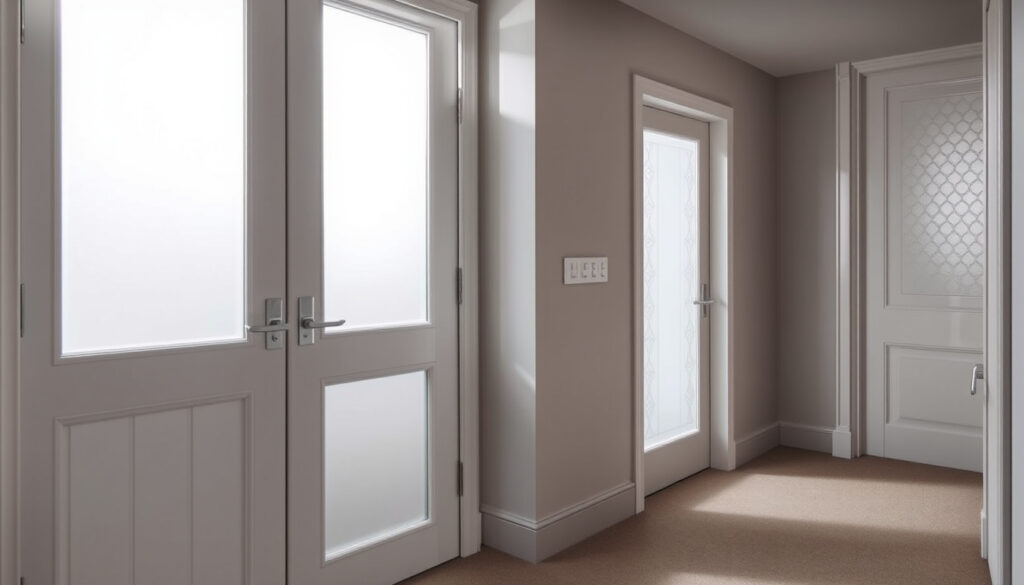
Internal Doors with Glass – UK Buyer’s Guide 2025
Glazed internal doors have become a staple in UK homes, blending room separation with the free flow of natural light. The shift toward open-plan living has pushed demand, and buyers today can choose from clear glass, frosted panels, full‑glazed or half‑glazed designs, in timber, aluminium, or composite finishes.
The post‑pandemic renovation surge (2021–2024) further boosted interest in home‑improvement products, and internal doors with glass were no exception. Prices now span from budget‑friendly supply‑only options to premium supplied‑and‑fitted packages, making it essential for homeowners to understand what they are paying for and why.
What Are the Best Internal Doors with Glass?
| Style | Glass Type | Best For | Price Range |
|---|---|---|---|
| Modern | Clear / Frosted | Living rooms, open plan | £100–£400 |
| Traditional | Decorative / Frosted | Period homes, hallways | £150–£500 |
| Aluminium Framed | Clear | Contemporary spaces | £250–£800 |
| Full Glazed | Clear / Frosted | Maximising light | £120–£450 |
- Glazed doors increase natural light distribution by up to 60% compared to solid doors.
- Frosted glass provides privacy without sacrificing light, ideal for bathrooms and WCs.
- Safety glass (laminated or toughened) is required for doors with glass panels below 1500mm from floor level.
- Aluminium framed glass doors are increasingly popular for modern interiors but cost 30–50% more than timber.
- Supplied and fitted services typically add 50–100% to the door cost but guarantee proper installation and warranty.
| Factor | Details |
|---|---|
| Fire Safety | Must meet building regulations; use fire‑rated glass in certain locations. |
| Glass Type | Toughened (tempered) or laminated safety glass is standard. |
| Light Transmission | Clear glass: 80–90%; Frosted: 60–70%. |
| Typical Sizes | 1981x762mm (standard), plus 838mm and 610mm widths. |
| Installation Time | 45–90 minutes per door for a competent DIYer. |
Where to Buy Internal Doors with Glass (Supplied and Fitted)
B&Q Range and Pricing
B&Q offers a selection of glazed internal doors, from simple clear‑glass designs to decorative options. While specific prices vary by store and online stock, the retailer generally competes with Wickes and other large chains on budget‑to‑mid‑range models. A quick online search will show current availability and any special offers.
Online Specialist Retailers
Specialist suppliers such as Direct Doors, Wickes, and Howdens provide much wider ranges. For example, Wickes glazed internal doors start at around £109 and go up to £292 (excluding delivery). Vivid Doors lists frosted‑glass internal doors from £98.09 inc. VAT to £165.59 inc. VAT. Online Door Store has options from £101.35 inc. VAT, with many in the £120–£240 bracket. Door Superstore shows prices from about £126 inc. VAT, though double‑door sets can exceed £1,000.
Understanding ‘Supplied and Fitted’ Services
Supplied‑and‑fitted packages typically include the door, frame, hinges, and installation labour. UK labour alone costs about £100–£350 per internal door, and a full replacement (including removal of the old door) often lands at £100–£400 per door. Some cost guides put a complete supplied‑and‑fitted range at £200–£550 per door, with premium or fire‑rated doors costing £500+.
Always verify whether ‘supplied and fitted’ covers removal of existing doors, disposal, and any adjustments to the frame or architraves – these can add £50–£150 to the final bill.
Are Internal Doors with Glass Suitable for Bathrooms?
Frosted Glass for Privacy
Frosted glass is the standard choice for bathroom doors because it allows light to pass while obscuring visibility. Suppliers like Vivid Doors market frosted panels as translucent, often made by sandblasting or acid etching. The result is a door that brightens a small bathroom without compromising privacy.
Safety Glass Standards
Building regulations in the UK require safety glass in any door where the glass panel is within 1500mm of floor level. Approved Document K states: “Safety glass must be used in doors where the glass is within 1500mm of floor level.” Most modern glazed internal doors come with BS‑compliant toughened or laminated safety glass as standard.
A fully glazed bathroom door reduces privacy and does little for ventilation. Consider a half‑glazed or frosted design, and ensure the room has adequate mechanical extraction or a window.
What Are the Key Benefits of Glazed Internal Doors?
Maximising Natural Light Flow
Clear glass doors can transmit 80–90% of available light, while frosted panels still pass 60–70%. That extra illumination can reduce the need for artificial lighting during the day, particularly in hallways and internal rooms.
Creating a Sense of Space
Because light moves freely, a glazed door makes adjoining rooms feel larger and more connected. Designers often specify full‑glazed doors in compact flats or maisonettes to prevent spaces from feeling boxed‑in.
Design Versatility
From Victorian‑style etched glass to minimalist aluminium frames, the variety of styles means there is a glazed door for almost every interior. Modern white‑primed doors with clear glass suit contemporary homes, while oak or hardwood frames with decorative glass fit period properties.
Glass doors are heavier than solid timber doors. DIY installation carries extra risk of breakage or injury. Professional fitting is strongly recommended unless you have experience with heavy door hanging.
A Brief History of Internal Glass Doors
- Victorian Era – Ornate stained glass panels were used in internal doors of wealthier homes.
- 1930s – Mass‑produced glazed doors became common in semi‑detached houses.
- 1980s – Frosted and etched glass patterns were popularised in both new builds and renovations.
- 2000–2010 – Clear‑glass internal doors trended as open‑plan living took hold.
- 2020+ – Aluminium framed and industrial glass doors emerged as a distinct style, driven by a taste for raw materials and loft‑inspired interiors.
What Is Certain and Uncertain About Internal Glass Doors?
| Established Information | Information That Remains Unclear |
|---|---|
| Safety glass standards are legally required in certain locations (within 1500mm of floor level). | Exact pricing depends on size, finish, and glass type – quoted prices fluctuate frequently. |
| Frosted glass provides privacy while allowing light transmission. | Installation difficulty varies by door weight and wall condition – not all frames are straight. |
| Major retailers (Wickes, B&Q, Howdens) all offer glazed internal doors. | Energy efficiency ratings are not always published for internal doors, unlike external doors. |
Why Have Internal Glass Doors Become So Popular?
The trend toward open‑plan living has driven demand for doors that maintain visual flow while offering the option of room separation. Homeowners no longer want a solid slab blocking light between a kitchen and dining area or between a hallway and living room.
The post‑pandemic renovation boom (2021–2024) accelerated spending on home improvements. Many people sought to improve the feel of their homes without undertaking major structural work, and swapping a solid door for a glazed one became a relatively simple upgrade with a noticeable impact.
While internal doors are not typically rated for energy efficiency like external doors, draught‑proofing around the glass panel remains important. Poorly sealed frames can let in cold air and noise, so buyers should check for proper gaskets or weatherstripping, especially in older properties.
What Do Retailers and Regulations Say?
“Glazed internal doors offer enhanced natural light flow which creates brighter spaces and reduces the need for artificial lighting.”
Wickes.co.uk
“Enjoy quality veneers, laminate or paint. Buy frosted & clear glass doors and enhance your home’s interior.”
Direct Doors
“Safety glass must be used in doors where the glass is within 1500mm of floor level.”
Building Regulations (Approved Document K)
What’s Next for Internal Glass Doors?
Smart glass technology (electrochromic) that allows privacy on demand is becoming more affordable and may eventually appear in internal doors. Meanwhile, sustainability trends are pushing demand for doors made from recycled timber and glass. Flat‑pack, direct‑to‑consumer brands are also emerging, challenging the traditional ‘supplied and fitted’ model and potentially lowering costs for homeowners.
If you are planning a home update, you might also want to explore Single Bed and Mattress – Best UK Deals and Guides for bedroom furnishings, or check Houses for Sale Swansea – 2026 Prices and Best Areas for property insights.
Frequently Asked Questions
Can I fit a glass internal door myself?
Yes, if you have experience hanging doors and can safely handle heavy glass panels. Professional fitting is recommended due to weight and breakage risk.
Do glass doors reduce room size visually?
No, they typically make spaces feel larger by allowing light to pass through and creating visual continuity.
What is the best glass for a bedroom door?
Frosted or textured glass for privacy, or a half‑glazed option to balance light and privacy.
Are internal glass doors more expensive than solid doors?
Generally yes; glazed doors cost about 20–50% more than equivalent solid doors, though prices vary significantly.
What sizes do internal doors with glass come in?
Common UK sizes include 1981x762mm (standard), plus 838mm and 610mm widths. Custom sizes are available from specialists but cost more.
Are internal glass doors energy efficient?
Energy ratings are rarely published for internal doors, but a well‑sealed glass panel will minimise draughts. For sound insulation, thicker glass or laminated options are better.
How do I measure for a glazed internal door?
Measure the width and height of the existing door opening (not the door itself). Account for frame clearance. Most suppliers provide measurement guides.
More related posts
 Need a Loan Been Refused Everywhere UK Direct Lender – Bad Credit Guide
 Tommee Tippee Bottle Warmer – Complete User Manual and Review
 Poolbeg Pharma Share Price – Live POLB News and Forecast
 Power Book III Raising Kanan Episodes – Complete Seasons Guide
 Tess and Claudia to Leave Strictly – New Hosts Announced for 2026
 Pokemon Go Redeem Code – Active Codes and Redemption Guide
 Calculating Date Difference – Excel Formulas, Online Tools, and Code
 What Colours Can Cats See – Blues and Yellow-Greens Vivid